Professional Tree Services: Elevate Your Landscape's Health and Aesthetics
Skilled tree services are necessary for maintaining the health and beauty of outdoor spaces. These practitioners offer an array of services, from pruning to disease assessment. Their work not only enhances the aesthetic appeal of landscapes but also guarantees the safety of the environment. However, many homeowners underestimate the significance of regular tree maintenance. Understanding its impact can lead to a more vibrant and sustainable landscape, encouraging further exploration of the topic.
The Value of Engaging Professional Tree Care Providers
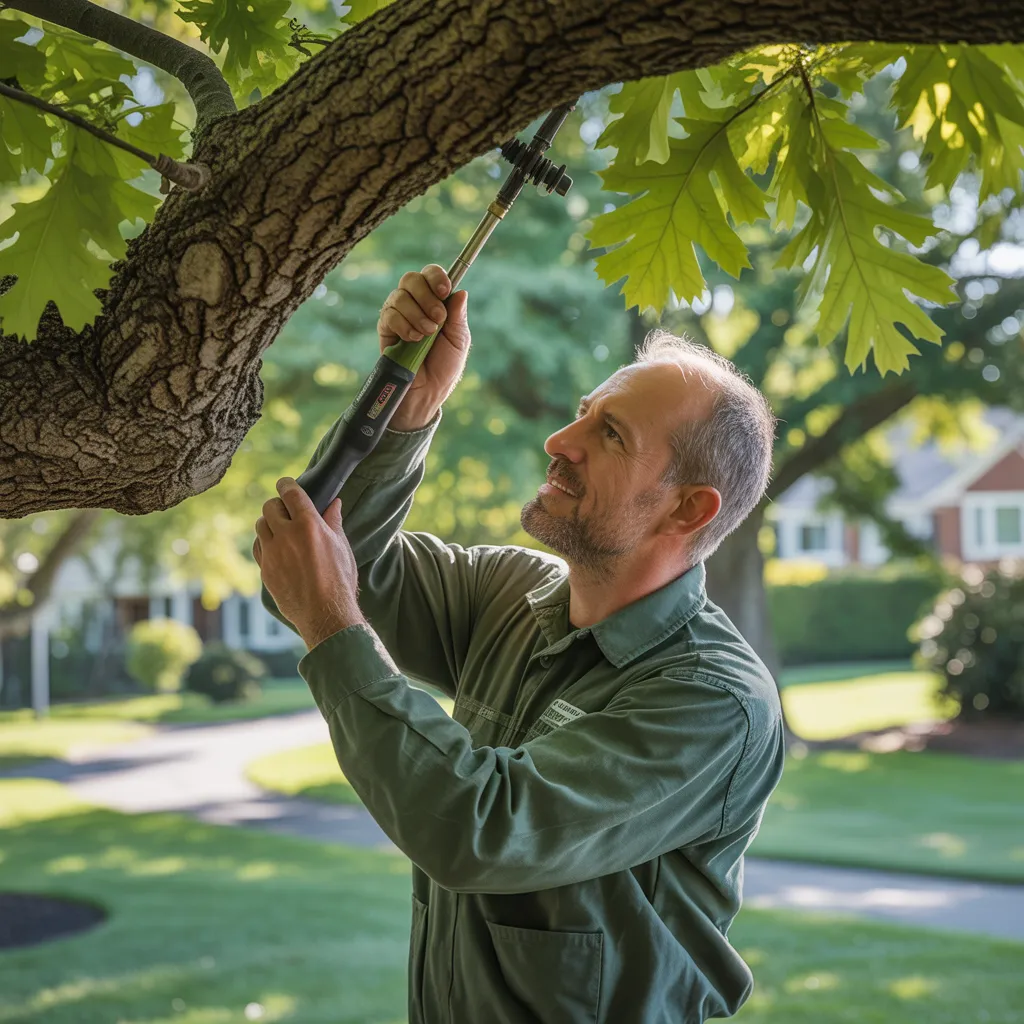
Professional arborist services plays a crucial role in maintaining the health and safety of both residential and commercial properties. Trees contribute significantly to the environment by improving air quality, providing shade, and enhancing aesthetic appeal. Regular maintenance guarantees that trees remain strong and resilient against pests, diseases, and adverse weather conditions. Neglecting tree care can lead to hazardous situations, such as falling branches or uprooted trees, which pose risks to people and property. Additionally, well-maintained trees can increase property value and curb appeal, making professional tree care a wise investment for homeowners and businesses alike. Skilled arborists possess the expertise to assess tree health, recommend appropriate care practices, and implement them safely. By prioritizing professional tree care, property owners can foster a healthier landscape, promote biodiversity, and create a more enjoyable outdoor space for everyone. Therefore, investing in such services is not only prudent but also crucial for long-term landscape vitality.
Popular Tree Offerings Displayed
Tree services deliver a multitude of fundamental tasks that maintain tree health and safety. Among these, tree pruning techniques are critical for preserving structure and encouraging growth, while stump removal solutions confront the remnants of felled trees. Understanding these services helps homeowners make well-informed decisions about their landscape management.
Tree Cutting Methods
Pruning strengthens the health and aesthetics of trees, making it an essential activity for upholding their vigor. Various methods are used by tree service professionals to achieve ideal results. Thinning involves selectively removing branches to improve light penetration and air circulation, which minimizes the risk of disease. Crown reduction is another method that lowers the height of a tree while maintaining its natural shape, preventing potential hazards. Deadwooding targets the removal of dead or dying branches, advancing overall tree health. Additionally, formative pruning shapes young trees to confirm strong structure and growth. Each technique is fitted to the specific species and condition of the tree, confirming a balanced approach to landscape advancement and longevity.
Stump Elimination Solutions
After trimming, the subsequent phase in maintaining a robust landscape often involves addressing tree stumps remaining. Stump removal is an essential service provided by tree care experts, as leftover stumps can hinder growth, draw in pests, and pose safety hazards. Multiple techniques are utilized for stump removal, including grinding, which transforms the stump to wood chips, and complete removal, which eliminates the stump and roots completely. Each method has its benefits, depending on the size of the stump and the adjacent landscape. Additionally, professionals often provide replanting options to fill the void created by the stump, improving the visual beauty of the area. Overall, stump removal is a vital aspect of landscape management that fosters a improved environment.
Benefits of Regular Tree Service
Ongoing tree upkeep provides significant benefits, containing better tree condition and elevated visual attractiveness. By addressing issues like pruning and pest management, trees can succeed and withstand environmental strain. Additionally, well-tended trees contribute positively in the scenic beauty of landscapes, boosting property values and resident satisfaction.
Better Tree Condition
Routine upkeep plays an important role in boosting tree health and significance. Regular pruning removes dead or diseased branches, which can prevent the spread of infections and pests. This action encourages healthy growth by letting sunlight and air penetrate the canopy, enhancing photosynthesis. Also, routine inspections can spot early signals of disease or stress, enabling timely measures that can save a tree's life. Fertilization and proper watering, fundamental elements of maintenance, ensure trees get essential nutrients and hydration, supporting their overall vitality. Additionally, mulching aids in retaining soil moisture and managing temperature, creating a optimal environment for root development. Altogether, these practices significantly contribute to the longevity and strength of trees, promoting a healthier landscape.
Advanced Visual Refinement
A properly maintained tree can considerably improve the beauty of any landscape. Consistent tree maintenance, including cutting, trimming, and managing diseases, assures that trees remain healthy and visually striking. Pruning assists in forming the tree, promoting a harmonious and attractive silhouette while removing dead or unsightly branches. Moreover, healthy trees add vibrant foliage and seasonal colors, enriching the overall look. Well-kept trees serve as focal points, adding character and structure to gardens and yards. Additionally, the thoughtful placement of trees can create welcoming pathways and shaded areas, enhancing outdoor usability. Consequently, investing in routine tree care not only promotes tree health but also markedly elevates the beauty and charm of a landscape, making it more appealing to residents and visitors alike.
Learning at What Point to Call an Authority
create risks. Moreover, if a tree suffered storm damage
The System for Tree Elimination and Restoration
Homeowners may find themselves having the need to remove a tree for various reasons, including safety concerns and landscape redesign. The process of tree removal generally begins with a thorough assessment by specialists, who evaluate the tree's well-being, location, and adjacent area. If removal is found necessary, the team will make preparations by securing the area, ensuring safety measures are in place to defend both people and property.
Once preparations are complete, the takedown procedure involves dropping the tree in a controlled manner, evaluating factors such as wind direction and surrounding structures. After the tree is felled, the stump is often broken down or wholly eliminated to make room for new landscaping.
Once the elimination is complete, homeowners can pertinent details choose to plant a more appropriate species as a replacement. This replacement process requires selecting a strong specimen that complements the landscape's design and ecological needs, furthering both aesthetic appeal and environmental health.
Finding the Best Tree Service Specialist
What approach can one take to find a reliable tree service provider when faced with numerous options? The first action is to ask for suggestions from close contacts, as firsthand feedback often offer credible information. Following that, people should validate qualifications, guaranteeing that the provider is appropriately licensed and insured; this protects both the homeowner and the service team from conceivable risks.
Moreover, analyzing online reviews can demonstrate the provider's reputation within the community. A reputable tree service will typically furnish free estimates and detailed consultations, allowing clients to grasp the scope of work.
It is also critical to ask about the company's track record and professional standing, specifically in handling specific tree-related issues. Finally, transparency in pricing and a clear contract can serve as proof of integrity and competence. By following these guidelines, individuals can make informed decisions, leading to healthier landscapes and enhanced beauty.
Common Inquiries Posed
How Much Will Professional Tree Services Typically Expense You?
Professional tree services typically cost between $200 to $2,000, depending on elements such as tree size, type of service, and location. Homeowners should get several estimates to guarantee affordable rates and quality service.
Are Tree Service Providers Protected and Certified?
Most reputable tree care companies are obligated to be insured and licensed to operate legally. This ensures safeguarding for both clients and workers, minimizing risk exposure and confirming compliance to safety and industry standards during work completed.
What Is the Optimal Time of Year for Tree Pruning?
The best season for tree trimming occurs during the late winter and early spring months, before new growth begins. This timing facilitates healthy growth, limits stress on the tree, and allows for ideal view of the tree's form.
Do Tree Services Support Pest Control Measures?
Yes, tree services can assist in pest management by identifying pest infestations, advising on treatment methods, and supporting tree health. Their expertise guarantees reliable pest management, which protects both trees and the surrounding landscape from possible damage.
How Do I Get My Property Ready for Tree Services?
To get ready a property for tree work, one should remove debris from the area, ensure easy access for equipment, notify adjacent residents, and keep pets inside. Adequate planning enhances safety and productivity throughout the tree maintenance process.